 DGTG
DGTG
Cashback marketing in India: how it works and what it costs
How cashback websites and apps drive sales for brands in India, economics, top platforms (CashKaro, Magicpin, GrabOn), and typical commissions.
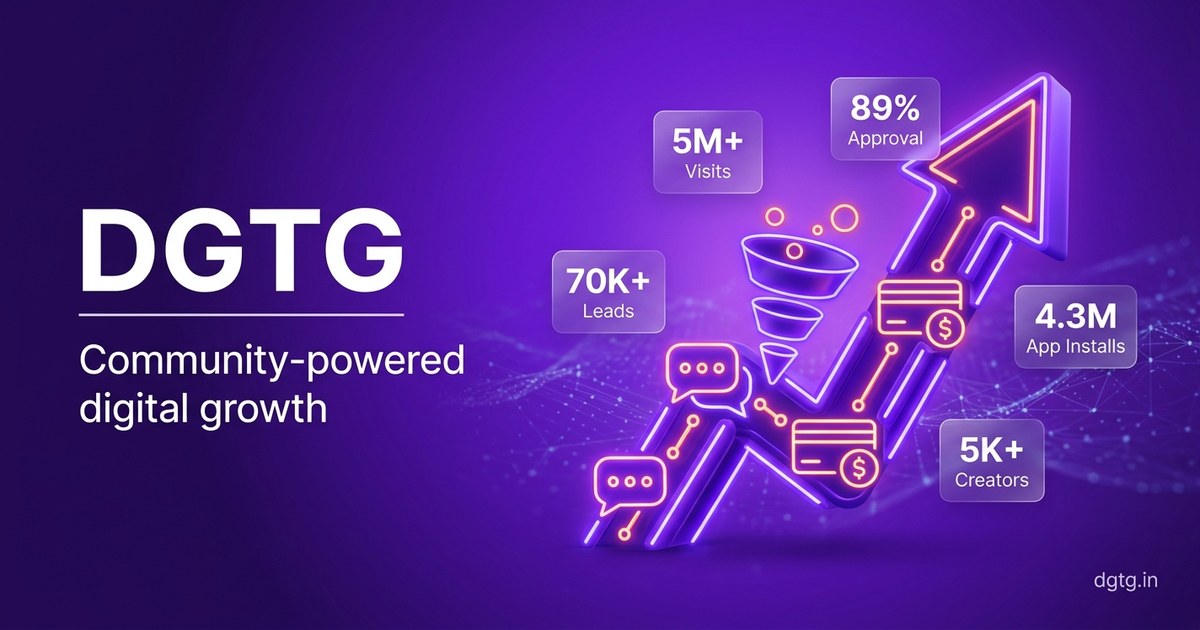
Cashback marketing drives 15–35% of total online sales for top D2C and e-commerce brands in India. Platforms like CashKaro, Magicpin, and GrabOn refund users a portion of brand-paid commissions, driving repeat purchases and price-sensitive conversions. DGTG runs CPS campaigns across all major cashback platforms.
How the economics work
Brand pays 8–18% commission per sale. Cashback platform refunds 4–8% to the buyer and keeps the rest. The buyer is incentivized to use the cashback site every time, driving repeat behavior.
Top platforms
CashKaro (largest cashback, 15M+ users), Magicpin (offline + online), GrabOn (coupon-led), Pricedeck, Zingoy. Each has different audience demographics and category strengths.
Best categories for cashback
Fashion, beauty, electronics, food delivery, travel, and recharge, high-frequency low-consideration purchases. Less effective for B2B or one-time premium purchases.
DGTG's CPS approach
We onboard your brand across 15+ cashback and coupon platforms simultaneously, set unified commission tiers, and report attributed sales weekly. 87–92% approval rates across the network.
More growth guides
- Cost per click (CPC) in India: 2026 benchmarks across channels
- DSP advertising in India: how programmatic buying works in 2026
- Email marketing in India: database size, deliverability, and ROI in 2026
- SMS marketing cost in India 2026: pricing, DLT, and effectiveness
- WhatsApp marketing in India: cost, templates, and conversion rates
- Influencer marketing rate card in India 2026: micro to celebrity
Frequently asked questions
Should I use cashback marketing if I have low margins?
Possibly not. Cashback commissions of 8–18% can crush thin margins. Best for brands with 35%+ gross margins or those willing to acquire customers at break-even.
Does cashback marketing cannibalize organic sales?
Partially. Allocate 20–40% as cannibalization. The remaining 60–80% is incremental, new customers or buyers who would have shopped at a competitor.
Can DGTG report incremental sales separately?
Yes, via attribution modeling and matched-cohort analysis. We split last-click sales from incremental for accurate ROAS reporting.