 DGTG
Google 2026 Algorithm Updates: SEO Strategy & Playbook
Protect client rankings from Google's 2026 core updates. Learn the entity-based SEO strategy, modular content structure, and authority building tactics that wo…
Frequently asked questions
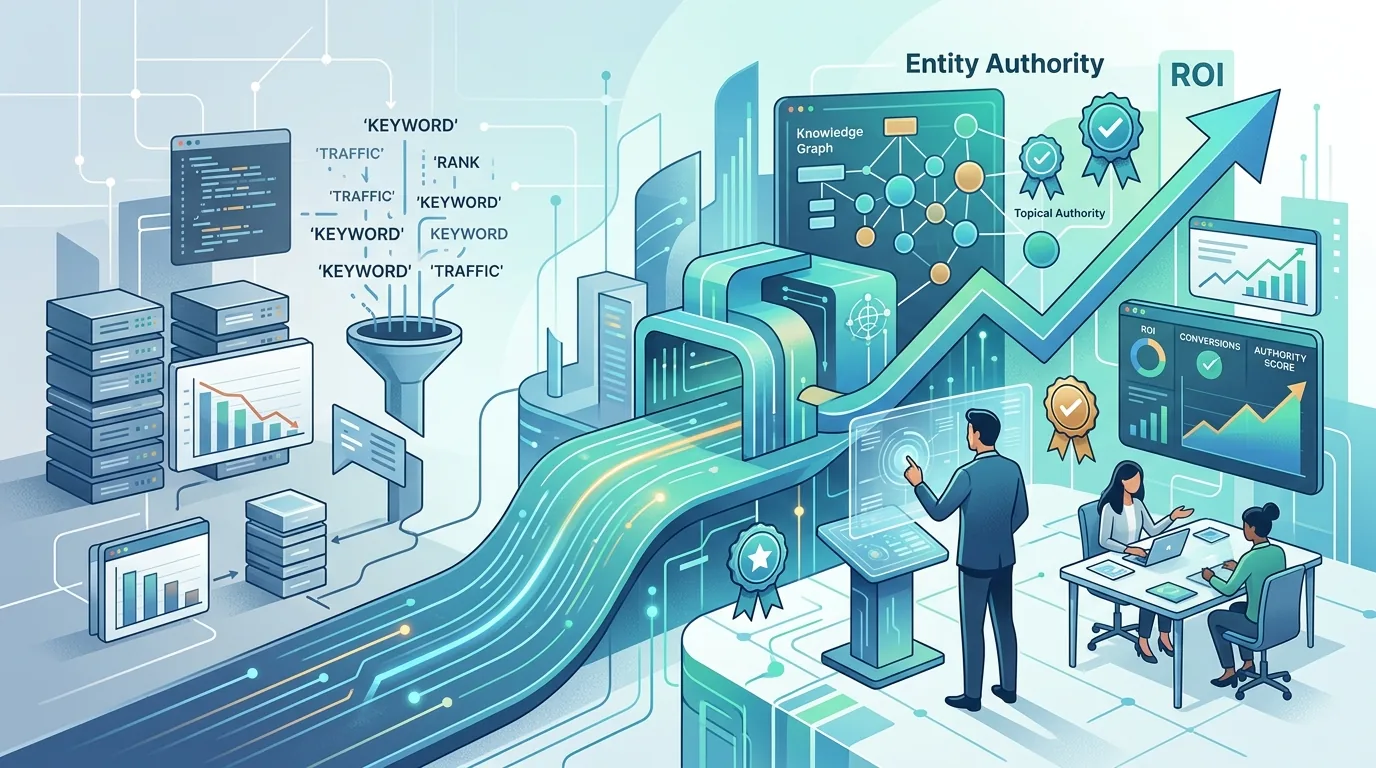
What This Means for Your Keyword Strategy The days of mapping keywords to URLs are over. You need to map keywords to *people*. If you are managing a B2B SaaS client, you don't just need a page for "
- Is there a clear "parent-child" relationship between the service page and the specific employee who delivers that service?
Our Take: Kill the "Ghost Written" Content We need to have a hard conversation about white-label content. We get it. The client’s CTO doesn't have time to write a 2,000-word essay on cloud migration
2. Did we add a recent commentary block?
How often will Google update the algorithm in 2026?
Expect two major core updates (likely spring and fall) and several smaller "targeted" updates focused on specific niches like YMYL (Your Money Your Life) or local search. The days of the big, scary annual update are over. The volatility is now constant but narrow.
Should we stop writing blog posts entirely?
No. But you should stop writing "informational" blog posts that answer questions nobody is asking. Focus 80% of your writing budget on "proof" content: case studies, data analysis, and technical breakdowns of your own product. These pieces generate the backlinks and citations that matter.
Is AI-generated content still penalized?
Google has stated it doesn't penalize AI content, only "unhelpful" content. However, the 2026 algorithm makes it very difficult for AI-only content to pass the "Experience Recency" check. If an AI wrote it and a human edited it, it will rank low. If a human SME outlines it, an AI drafts it, and the SME heavily edits it with personal anecdotes, it has a chance. The human input is the ranking factor, not the tool.