
DGTG logo DGTG

Always-On Fandom: B2B Marketing Trends for Retention

Explore how B2B marketers can use cultural marketing and always-on fandom to boost retention. Learn practical tactics to build engagement between product launc…
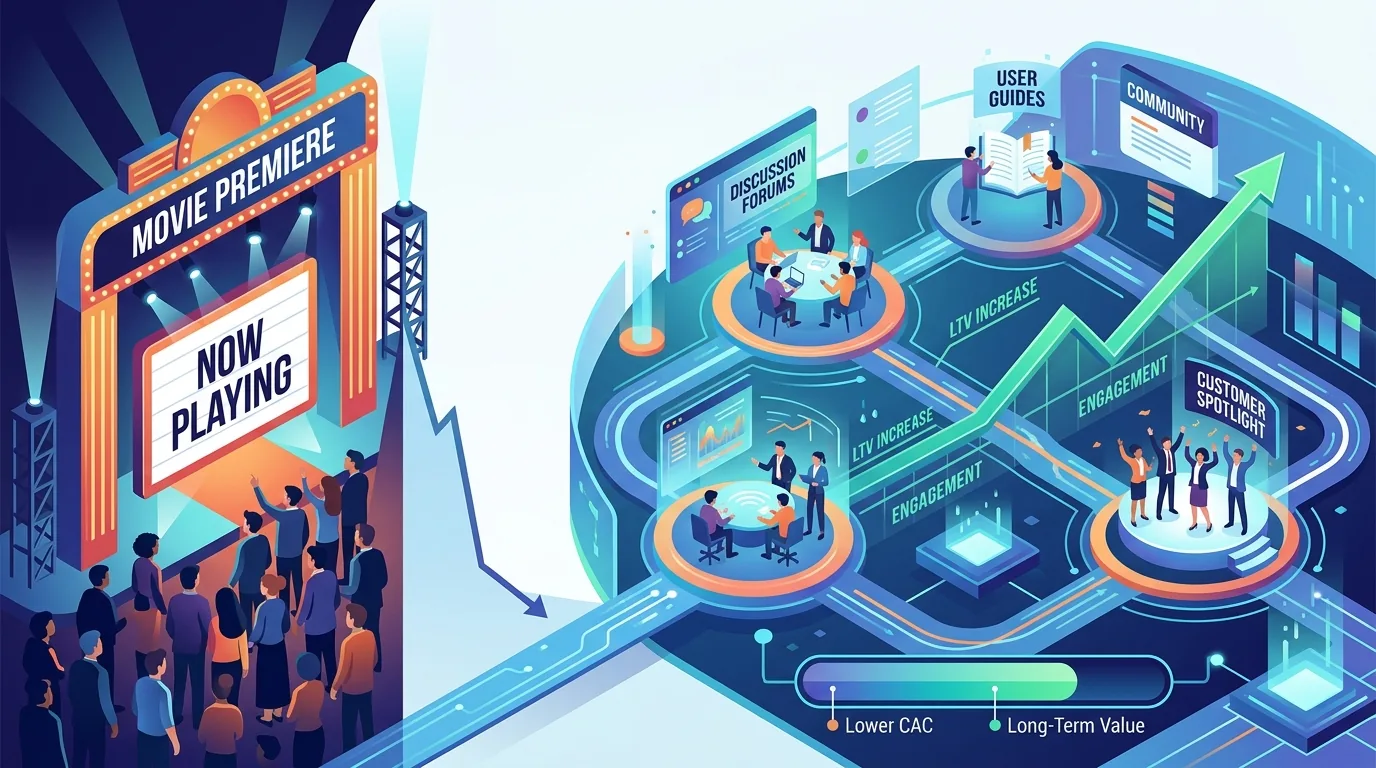
Always-On Fandom: Turning Entertainment Hype into B2B Marketing Wins — illustrative featured image
The Super Bowl is over. The season finale has aired. The last concert date has passed. For most entertainment brands, this is the dreaded trough. Engagement metrics plummet, social feeds go quiet, and the marketing team shifts from hype generation to damage control. But a subset of the most successful media companies, sports leagues, and gaming studios have quietly solved this problem. They don't treat the release date as the finish line. They treat it as a checkpoint in a continuous loop of engagement. Deloitte’s recent research on “[always-on fandom](/dgtg/blog/always-on-fandom-how-brands-can-leverage-entertainment-trends)” highlights how these organizations sustain cultural relevance between tentpole moments. The report focuses on consumer entertainment, but the underlying mechanics are pure gold for B2B marketers who are tired of campaign-based whiplash. The question isn't whether your software company can copy Taylor Swift’s marketing playbook. It’s whether you can borrow the structural logic of fan communities to lower your CAC and increase LTV. ## The Death of the Campaign Funnel Most B2B marketing still operates on a combustion model. You build a lead-gen campaign, ignite it with paid spend, watch the fire burn hot for six weeks, and then let the ashes cool until the next product launch. This creates a feast-or-famine revenue cycle that CFOs hate and sales teams dread. Always-on fandom flips this model. Instead of episodic bursts, you build a persistent environment where your audience can participate, argue, and co-create value regardless of where they are in the buying cycle. Consider how the NFL handles the off-season. They don't just shut down and wait for September. They manufacture the draft, free agency frenzy, and training camp storylines. They create a calendar of micro-events that keep the narrative engine running. The product (football) is absent, but the conversation is perpetual. For B2B, this means moving away from the "gated asset" as the primary unit of value. A white paper is a release. It has a shelf life measured in weeks. A community forum or a user-generated content challenge has a half-life measured in years. ## From Passive Audience to Active Participants The Deloitte data points to a shift in how fans consume media. They aren't just watching; they are reacting, remixing, and discussing across platforms. This participatory behavior is the missing ingredient in most B2B content strategies. We see too many companies posting thought leadership that reads like a press release. It broadcasts value without inviting response. That is passive content. It builds awareness but rarely builds a relationship. Always-on fandom requires you to surrender a degree of control. You have to let your audience speak, even if they occasionally criticize you. Here is how that translates into a pragmatic B2B playbook: - **Shift from campaigns to rituals:** Instead of a quarterly webinar, host a weekly office hours session. The format is consistent, the value is predictable, and your audience builds a habit around attending. - **Create "between-release" content:** If you launch a major product update annually, you need a continuous stream of minor updates, behind-the-scenes development logs, or customer win stories to fill the gap. - **Facilitate user-to-user interaction:** The brand should not be the center of every conversation. Introduce customers with similar use cases to each other. Your job is the host, not the star. ## The B2B Fandom Stack To make this work, you need a specific tech stack and a specific content cadence. It is not about hiring a community manager and hoping for the best. It requires a shift in how you measure success. Here are three metrics that matter more than vanity impressions in an always-on model: | Metric | Why It Matters | What It Replaces | | :--- | :--- | :--- | | **Returning Visitor Rate** | Proves you are creating a habit, not a one-hit wonder. | Unique pageviews | | **Community Contribution Rate** | Measures the percentage of your audience that submits content, answers questions, or comments. | Likes and reactions | | **Time-to-Value (TTV) for Content** | Measures how quickly a prospect moves from first touch to a meaningful product demo or trial. | Form fills | The content mix also changes. You cannot sustain weekly interest with only high-production case studies. You need a variety of formats that cater to different consumption moods. A quick tip video on Tuesday can drive more loyalty than a 40-page report published quarterly. ## Cultural Marketing for the Enterprise The term "cultural marketing" usually triggers eye rolls in B2B circles. It sounds like chasing memes or hopping on a trending hashtag that has nothing to do with your product. That is not what we are advocating for. True cultural marketing in B2B means aligning your brand with the professional culture of your buyers. If you sell to developers, that culture is open source, hackathons, and API documentation. If you sell to finance leaders, that culture is regulatory changes and quarterly earnings cycles. The entertainment industry creates fandom around shared emotional experiences. B2B creates fandom around shared professional challenges. The mechanism is identical: you identify a common pain point and build a space where people can collectively navigate it. Let’s look at a practical application. A CRM company doesn't have a "season." But they have a "Q4 planning season" for their customers. A smart always-on strategy would start seeding content about pipeline management in October, not January. They would host community threads where sales ops leaders share their forecasting spreadsheets. They would build a repository of "war stories" that customers can browse at 2 AM when they are panicking about their quota. That is cultural relevance. It shows you understand the calendar of your customer’s professional life, not just the calendar of your product launches. ## What We Recommend We have seen this executed well and executed poorly. The failures usually come from brands that treat "community" as a sales channel. You cannot pitch in the fan forum. You have to contribute first. Here are our specific, opinionated picks for building an always-on B2B fandom engine: 1. **Use Discord for high-touch customer segments.** Slack is for work, but Discord has a more playful, persistent vibe that encourages off-topic chatter. That chatter is where real relationships form. We recommend using it for your top 100 customers or your most active power users. Keep the company CEO in there, but keep the sales team out. 2. **Invest in a "Show and Tell" cadence.** Every two weeks, feature a customer’s specific, niche workflow on your blog or LinkedIn. Do not ask for a case study with ROI metrics. Just ask them to show how they solved a weird problem with your tool. This feeds the "between-release" content gap better than any generic blog post. 3. **Hire a "Lore Keeper," not just a Community Manager.** A typical community manager focuses on moderation and Q&A. A lore keeper documents the internal myths, the inside jokes, and the unofficial best practices that emerge from your user base. They turn tribal knowledge into onboarding assets. This is a role that most agencies will not provide. It is an in-house function. ## The Agency vs. In-House Split You might be wondering where an agency fits into this framework. The honest answer is that always-on fandom is a lifestyle, not a sprint. An agency can build the initial infrastructure, but they cannot live the culture for you. **Hire an agency for:** The initial community audit, the content architecture design, and the setup of the feedback loops between customer success and product teams. **Keep in-house:** The daily moderation, the relationship building with top fans, and the strategic pivots based on community feedback. These need to happen in real-time with direct access to internal stakeholders. The most successful executions we have seen involve an agency building the engine and the client driving the car. The agency provides the map and the maintenance schedule, but the client has their hands on the wheel. ## The Retention Math Ultimately, this strategy is about shifting budget from acquisition to retention. Always-on fandom is expensive to maintain in terms of human hours. It is cheap in terms of ad spend. If a retained customer has an LTV that is 3x your new customer CAC, then investing in a community platform that reduces churn by 10% is a better financial decision than pouring another $50,000 into LinkedIn ads. The metrics are harder to track, but the unit economics are undeniable. The entertainment giants figured this out because their box office revenue is volatile. Your SaaS revenue is volatile too. Stop treating your marketing calendar like a movie premiere schedule and start treating it like a subscription service. Give your audience a reason to show up every week, not just when you have something to sell. ## FAQ **How long does it take to see ROI from an always-on community strategy?** Expect a 6 to 9 month runway before organic community contributions meaningfully impact pipeline. The early months are about trust-building and content inventory. You will see retention metrics improve before you see acquisition metrics improve. **Is this strategy viable for a small B2B team with limited headcount?** Yes, but only if you narrow the scope. Pick one specific customer segment and one specific platform. Do not try to be everywhere. A single weekly Twitter Space or LinkedIn Audio event with 30 loyal attendees is a stronger foundation than a dead forum with 5,000 registered users. **What is the biggest mistake companies make when adopting this model?** They treat it as a campaign. They launch a community portal with a big splash, then abandon it when the next product launch demands attention. Always-on means exactly that. You have to assign a dedicated owner who treats the community health as a weekly KPI, not a quarterly one. ## Related on this site - [2026 Digital Media Trends: Capturing Always-On Fandom](/dgtg/blog/2026-digital-media-trends-capturing-always-on-fandom) - [Social Media Trends 2026: A Strategic Guide for B2B and SaaS Marketers](/dgtg/blog/social-media-trends-2026-a-strategic-guide-for-b2b-and-saas-marketers) - [AI Marketing Tools: 2026 Buyer's Guide for Agencies and Brands](/dgtg/blog/ai-marketing-tools-2026-buyer-s-guide-for-agencies-and-brands)

Frequently asked questions

How long does it take to see ROI from an always-on community strategy?

Expect a 6 to 9 month runway before organic community contributions meaningfully impact pipeline. The early months are about trust-building and content inventory. You will see retention metrics improve before you see acquisition metrics improve.

Is this strategy viable for a small B2B team with limited headcount?

Yes, but only if you narrow the scope. Pick one specific customer segment and one specific platform. Do not try to be everywhere. A single weekly Twitter Space or LinkedIn Audio event with 30 loyal attendees is a stronger foundation than a dead forum with 5,000 registered users.

What is the biggest mistake companies make when adopting this model?

They treat it as a campaign. They launch a community portal with a big splash, then abandon it when the next product launch demands attention. Always-on means exactly that. You have to assign a dedicated owner who treats the community health as a weekly KPI, not a quarterly one.